


HYPMTHR RESEARCH PRESENTS:
Near-Death
Experiences
Millions of people explored death in public. Most didn't plan to.
Something in that moment was worth studying.
THE RESEARCH
In 2025, Hypmthr published 17 content analyses on TikTok, each drawing from systematic coding of near-death experience narratives sourced from YouTube interviews. Topics included post-NDE aftereffects, the dying process, death anxiety, grief, and what survivors consistently report about the moment of death. Findings were presented to a general audience with no clinical framing and no invitation for any population to self-identify.
1,717 comments were exported and coded across all 17 analyses. Eight were read manually, comment by comment. Twenty-four themes were defined and applied consistently across every video.
What the data captured is both the consistencies across survivor testimonies, and the value those consistencies bring to others managing their mental wellbeing.
RULE
Practitioners spend careers building environments where people feel safe enough to speak about death, grief, and what lives at the edge of life. This research documents an environment that did it by luck — and analyzes what was actually present when it happened.
The question it raises is direct: what do we learn from a space that wasn't designed to hold grief, but did it anyway?
THE DATA
1.1 M
video views over six months
1,717
comments read, line by line
1 in 11
people who liked a video sent it to someone. The platform average is 1 in 50.
Populations watching near death experience content:
The report organizes comment data consistently around three distinct populations. Each engaged differently, appeared on different content types, and brought different needs. A fourth was, admittedly, not anticipated.
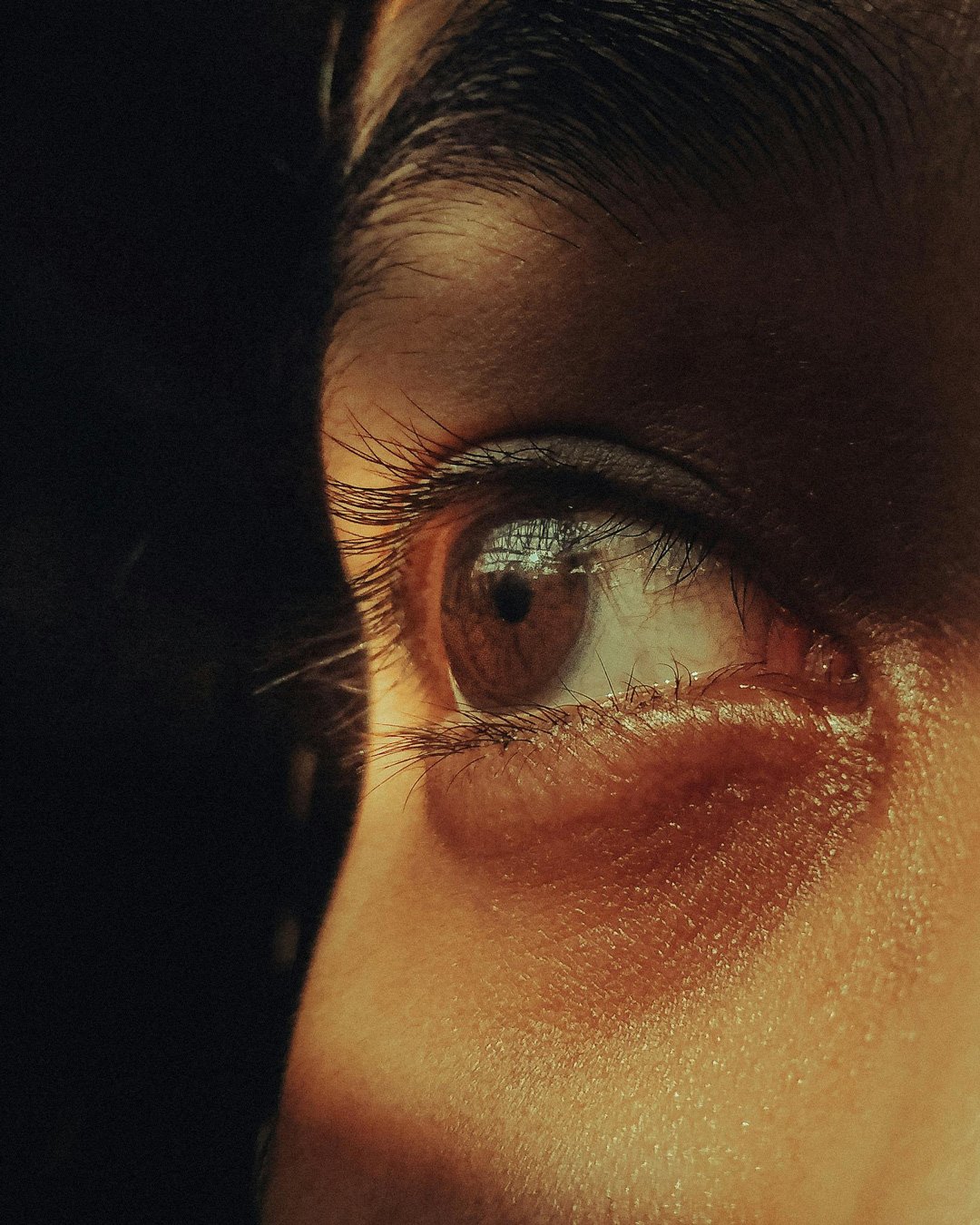
People managing
death anxiety
This population watches, shares, and rarely comments. They arrive through searches like "scientifically proven afterlife" and "calming death." They are doing self-directed research about mortality and are unlikely to mention it in session. The content that reached them most reliably was language. Specific phrases from survivor accounts reduced fear in ways that statistics did not.
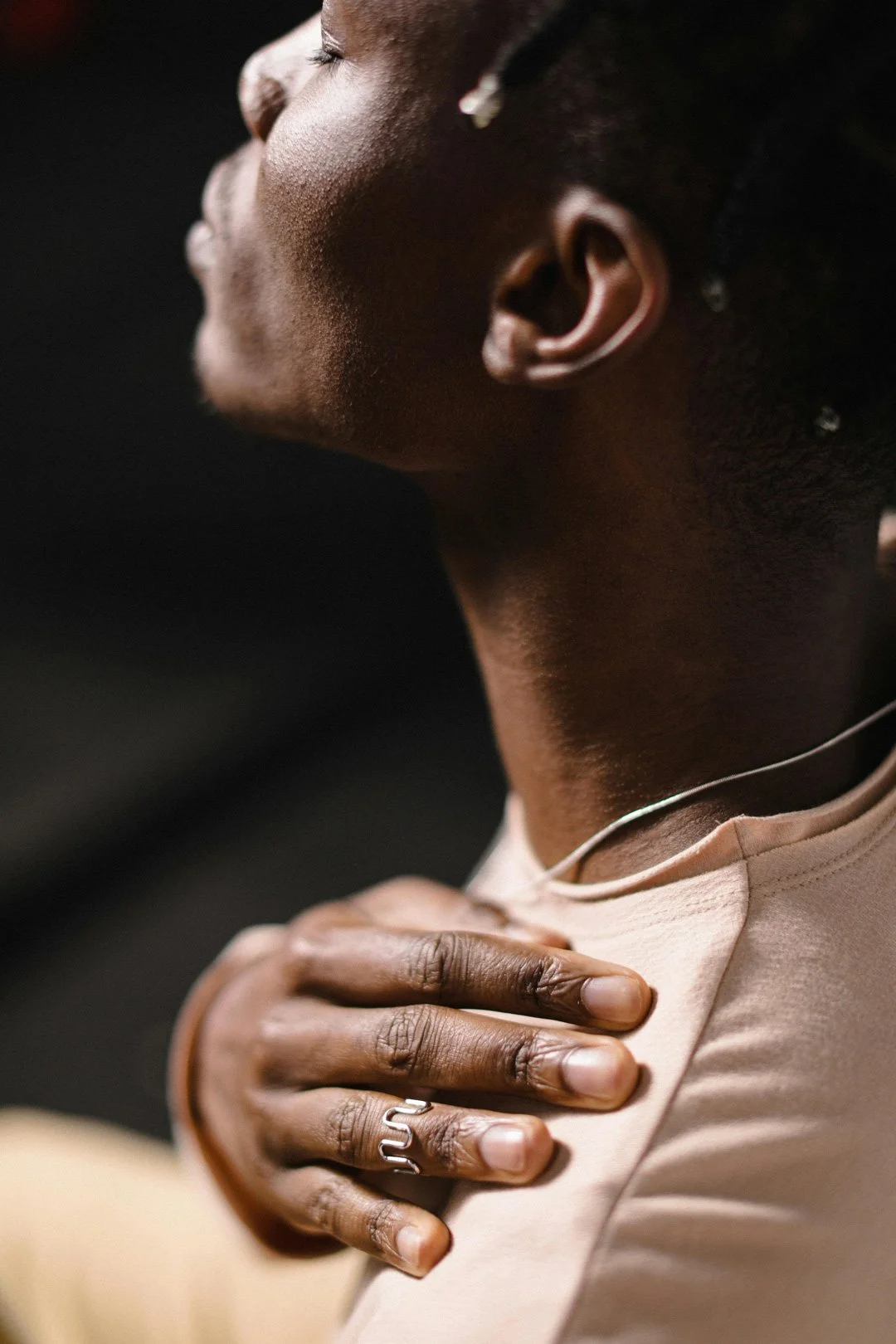
People actively managing their grief
They entered the chat with specific questions: was my person afraid? Did they suffer? Are they okay? NDE content provided partial answers. The comment sections around them were consistently kind. NDE survivors stepped in and offered what they knew from the inside. That cross-population interaction — survivors comforting the grieving, unprompted — is not something any existing clinical framework accounts for.

Near Death Experience Survivors
24% confirmed a near-death experience publicly, across every content type, without prompting. Many had been silent for decades. When they found a space that treated their experience as data rather than pathology, they spoke — and then turned toward the grieving people in the same comment section and offered what they knew.

A fourth audience appeared…
We don’t know if they were looking for comfort, or science. We only know they were actively dying. And they were here engaging with other users and finding the strength to transition.Their engagement with this content was qualitatively different from the other three. They were preparing. This finding is documented in the full report.

THE PRACTITIONER PIVOT
If any of these populations are in your practice, they may not have told you they are engaging in this content.
This report documents the conditions that made speaking possible in this environment — and what that suggests about the gaps in how clinical and organizational spaces currently hold these conversations. It is relevant to grief counselors, therapists, hospice and palliative care workers, hospital chaplains, and HR and organizational leaders working with teams navigating loss.
It is also, separately, a record of what becomes possible when a public conversation is held with enough rigor to become a research document.
Read The Full Report - it’s free
If you work with people navigating death as a therapist, counselor, hospice worker, chaplain, or clinical administrator — or you simply find this study meaningful and inspiring to your own wellbeing, this research was written for you.
Enter your details and we'll send it directly — plus updates on virtual events and discussion panels as the research continues.
Independent research. Not affiliated with any clinical institution. All quoted material is anonymized. All material is free. Methodology available in the report.