

Grief Education
February 4, 2026
Grief is one of the most universal human experiences—and one of the least accurately understood.
Grief as a natural, non-pathological response to loss, not a disorder to be fixed or a problem to be solved. It is not a personal failure, a weakness, or something that follows a predictable timeline. It is a biological, psychological, and social process that arises whenever attachment is disrupted.
Understanding what grief is—and what it isn’t—is the foundation of grief education and ourselves.
What Grief is (and is not)
What IS Grief
-

Grief is a response to loss
Grief occurs whenever something meaningful is lost. While death is the most recognized trigger, grief can also follow the loss of health, identity, safety, relationships, roles, futures, or a sense of belonging. Research increasingly recognizes that grief extends far beyond bereavement alone (American Psychological Association).
-
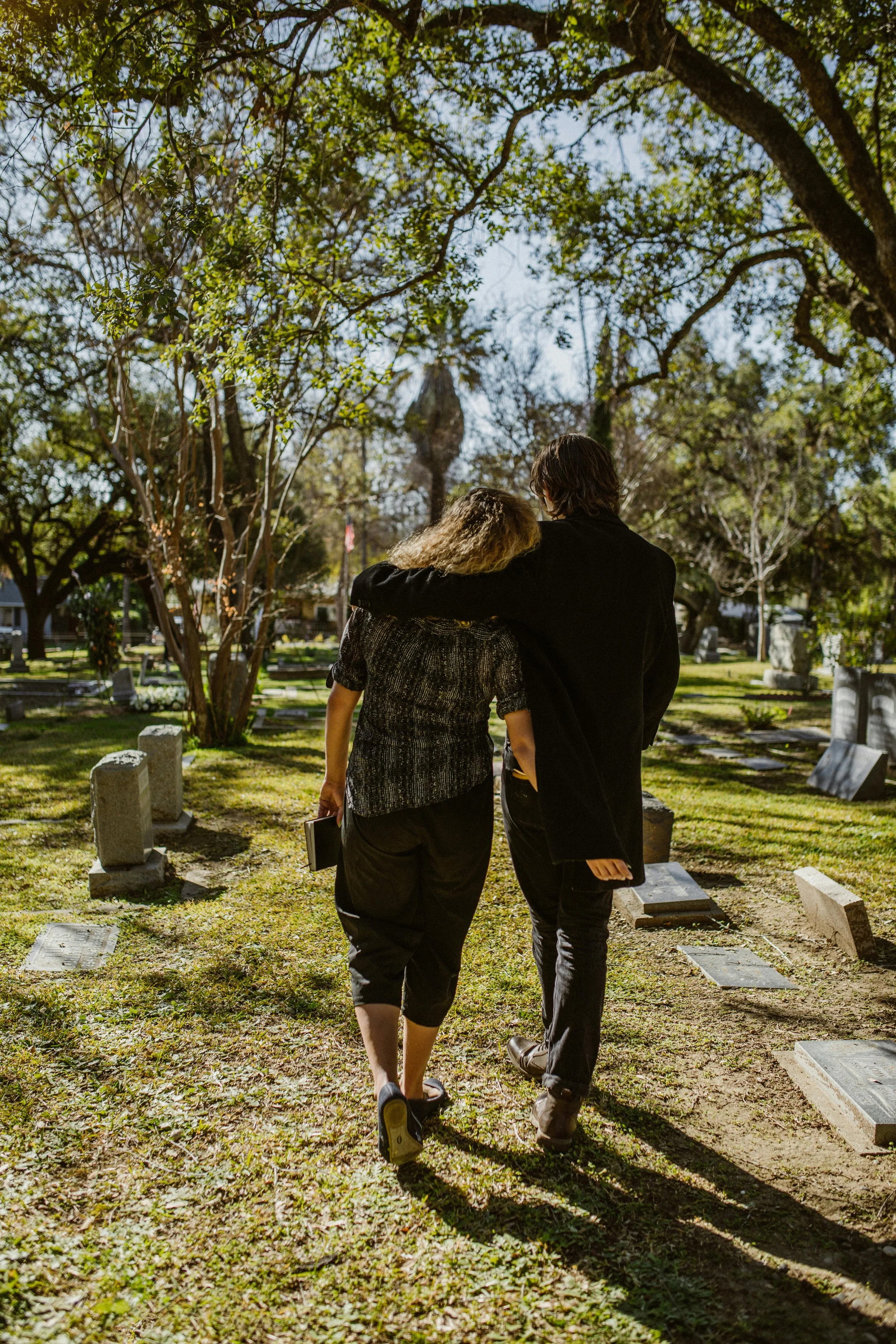
Grief is shaped by attachment
The intensity and expression of grief are influenced by the depth of attachment—not by the type of loss or how “reasonable” it may appear from the outside. This is why the same event can affect two people very differently. Attachment theory helps explain why grief is deeply personal and not comparable across individuals (Bowlby, Attachment Theory overview).
-

Grief is non-linear
Grief does not move through tidy stages. People may experience waves of emotion, periods of calm, moments of meaning, and moments of distress—sometimes all in the same day. Contemporary grief research has largely moved away from rigid stage models in favor of more flexible, adaptive frameworks (Center for Complicated Grief, Columbia University).
-

Grief is adaptive
Although painful, grief is not inherently harmful. It reflects the brain and body learning how to live in a changed reality. From a neurological perspective, grief involves memory, reward, and prediction systems recalibrating after loss—a process that takes time and support, not pressure or correction (National Institute of Mental Health).
What IS NOT Grief
-

Grief is not time-bound
There is no universal timeline for grief. The expectation that people should “move on” after a certain period is cultural, not scientific. Grief often changes form over time rather than disappearing entirely.
-

Grief is not something others can measure
External judgments—such as how productive someone appears, how emotional they are, or how quickly they return to routine—are poor indicators of internal grief processes. Much of grief happens invisibly.
-

Grief is not only emotional
Grief can show up cognitively (difficulty concentrating), physically (fatigue, pain, appetite changes), socially (withdrawal or relational strain), and spiritually (changes in meaning or belief). Education helps people recognize these responses without fear.
-

Grief is not a problem to be solved.
Grief is a natural and adaptive response to loss, though in some cases it can become prolonged and may require clinical support. Grief is not a problem to be solved—it is a process that unfolds over time.
Why Grief Education Matters
Because grief is often misunderstood, many people experience secondary harm: shame, isolation, misdiagnosis, or pressure to perform wellness before they are ready. Grief education provides language, context, and frameworks that reduce confusion and help individuals, families, workplaces, and communities respond with more accuracy and compassion.
HYPMTHR exists to make grief knowledge accessible—not as therapy, but as education. When people understand grief, they are better equipped to navigate it in themselves and to support it in others.
If you’d like to learn how your organization can better understand grief for your team or your clients and products, let’s chat.
HYPMTHR provides educational resources, consultations, and courses focused on grief, death, caregiving, and loss.