

Grief Education
February 3, 2026
Disenfranchised Grief: The Losses We’re Not Taught to Name
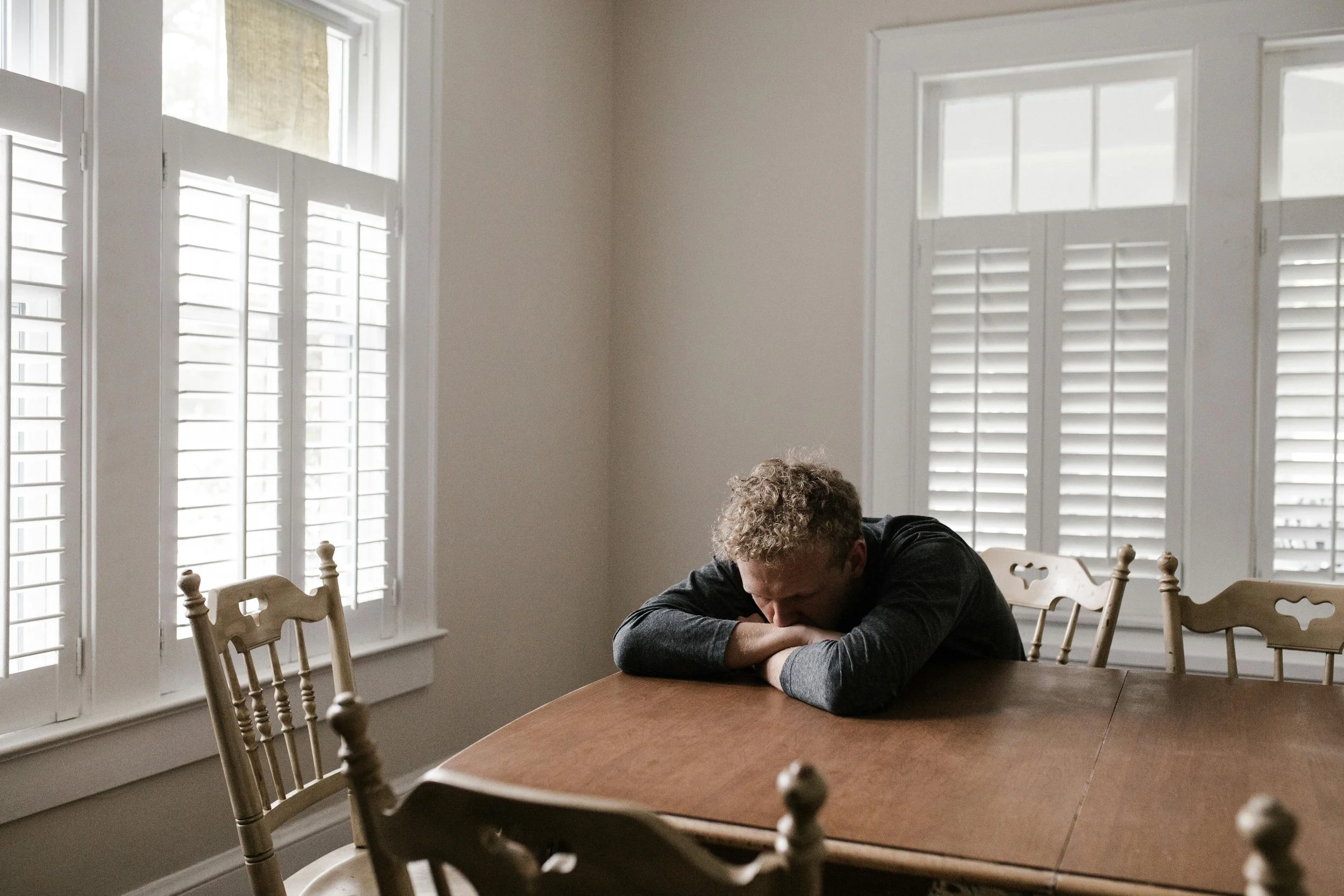
Not all grief is recognized equally.
Some losses are openly acknowledged—death of a loved one, public tragedy, collective mourning. Others occur quietly, without ritual, validation, or permission to grieve. These experiences are often described as disenfranchised grief.
Disenfranchised grief refers to losses that are real and impactful, but not socially recognized as legitimate or worthy of support.
What Is Disenfranchised Grief?
The term disenfranchised grief was introduced by grief researcher Kenneth J. Doka to describe grief that is not openly acknowledged, socially supported, or publicly mourned (Doka, Hospice Foundation of America).
In these situations, people may be grieving deeply—while simultaneously receiving messages, implicit or explicit, that their grief does not “count.”
Common Examples of Disenfranchised Grief
Disenfranchised grief can arise from many types of loss, including:
Loss of a relationship that was private, complicated, or socially unrecognized
Estrangement from a family member
Infertility, miscarriage, or loss of a hoped-for future
Loss of health, mobility, or cognitive ability
Caregiver grief, especially when the person is still alive
Job loss, forced career change, or loss of professional identity
Migration, displacement, or loss of homeland
Loss related to climate events, disasters, or community disruption
In many of these cases, there may be no clear ritual, no public acknowledgment, and no shared language to explain what has been lost.
Why Disenfranchised Grief Is So Difficult
Disenfranchised grief is often more isolating than recognized grief because it combines loss with invisibility. People experiencing this type of grief may:
Minimize their own pain
Feel shame for struggling
Avoid seeking support
Experience confusion about why they feel “off” or depleted
Research shows that lack of social acknowledgment can intensify grief responses and increase stress on the nervous system (Journal of Loss and Trauma). Without education, individuals may internalize the belief that something is wrong with them—when in fact, they are responding normally to loss.
Disenfranchised Grief Is Not a Measure of Importance
The legitimacy of grief is not determined by:
Whether others approve of the loss
Whether the loss fits a cultural script
Whether the loss can be easily explained
Grief reflects attachment and meaning, not social permission.
Two people can experience the same external event and have vastly different grief responses depending on history, identity, and context.
Why Naming Disenfranchised Grief Matters
Language reduces isolation. When people learn that disenfranchised grief exists, they often experience a sense of relief: this has a name. Education helps individuals understand their internal experience without self-judgment and helps families, workplaces, and communities respond with more accuracy. Grief education does not replace therapy—but it can prevent unnecessary suffering caused by misunderstanding and silence.
Education as a Form of Support
HYPMTHR approaches disenfranchised grief through education, not diagnosis. By offering frameworks, shared language, and research-informed context, grief becomes easier to recognize, communicate, and support—both individually and collectively. Understanding disenfranchised grief allows people to honor losses that might otherwise remain unseen. If you’d like to understand how we can help you support your team, clients and products, let’s talk.
HYPMTHR provides educational resources, consultations, and courses focused on grief, death, caregiving, and loss.