


Words you gotta know
Caregiving pulls you into systems with their own language—fast. Financial terms, legal rules, healthcare services, and work policies start colliding at the same time. This glossary exists to help you understand what you’re dealing with and plan your next steps. And if there’s a term we missed, we want to hear it below.
Financial Support & Economic Relief
Cash Assistance or Reimbursement: Direct payments to offset caregiving-related expenses or time. Funds may be issued regularly or reimbursed after costs are incurred. Eligibility and payment structure vary by program and funding source.
Child Caregiver Exemption: A Medicaid rule that allows a home to be excluded from asset calculations if an adult child provided qualifying care. The exemption applies when caregiving delayed a parent’s need for institutional care. Eligibility depends on documentation and state Medicaid rules.
Paid Caregiving Programs: Individuals are compensated for providing care to a family member or dependent. Payment may be hourly, stipend-based, or tied to authorized service hours. These programs are commonly administered through public benefit systems.
Stipends: Fixed payments intended to support caregivers financially rather than compensate wages directly. They are typically limited in amount and duration. Stipends may be tied to specific caregiving roles or diagnoses.
Tax Deductions / Credits: These reduce taxable income or tax liability for qualifying caregiving-related expenses. Eligibility depends on relationship, dependency status, and financial thresholds. These benefits are administered through the tax system rather than service agencies.
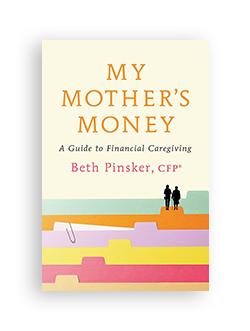
Recommended Reading
My Mother’s Money
by Beth Pinsker
Caregiving Programs & Services
Dementia Support Services: Address the specific needs associated with cognitive decline. They may include education, safety planning, behavioral support, and disease-stage guidance. Services are designed to support both care recipients and caregivers.
HCBS Waivers (Home and Community-Based Services): Allow eligible individuals to receive care in home or community settings instead of institutional care. Services may include personal care, respite, and supportive services. Waivers operate under state-specific rules within broader public programs.
In-Home Services: Assistance within a person’s residence. Services may include help with daily activities, supervision, or basic health-related tasks. Delivery can be short-term or ongoing depending on assessed need.
Personal Care Services (PCS): Provides supports activities of daily living such as bathing, dressing, and mobility. These services focus on functional support rather than medical treatment. PCS is commonly provided through structured care programs.
Programs: Organized service offerings designed to meet defined caregiving or care recipient needs. They operate under specific eligibility rules, scopes, and funding models. Programs may be public, private, or nonprofit.
Respite Care: Provides temporary caregiving coverage to relieve primary caregivers. Care may be provided in-home or in a designated facility. Duration ranges from hours to longer planned intervals.
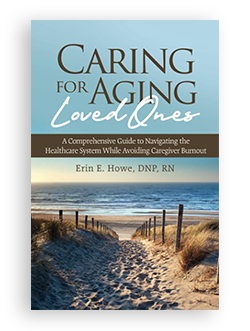
Recommended Reading
Caring for Aging Loved Ones
by Erin E. Howe, DNP, RN
Workplace & Employment Protections
Absence Management Policies: How employers define how employee absences are tracked and managed. They outline procedures for requesting, documenting, and approving time away from work. Policies vary by employer.
Employer Guidance PDFs: Written documents explaining workplace policies or benefits. They often outline rights, procedures, and internal resources. These documents serve as official reference materials.
Family and Medical Leave Act (FMLA): Federal law establishing job-protected leave for qualifying medical or caregiving needs. It applies to eligible employees of covered employers. Leave under FMLA is unpaid but protected.
State Leave Programs: Job-protected or paid leave programs established by individual states that extend beyond federal requirements. Program structure, eligibility, and benefits vary by state. These programs are created by the state and may operate alongside employer policies, even when employer participation is required.
Workplace & Employment Protections: Safeguards established by federal and state governments, and implemented through employer policies, that protect employees’ jobs, benefits, or working conditions during caregiving or medical needs.
Aging & Access Organizations
Area Agencies on Aging (AAA): Regional organizations that coordinate services for older adults. They operate as part of a national aging network. AAAs often serve as access points for multiple services.
ADRCs (Aging and Disability Resource Centers): Provide centralized access to long-term services and supports. They assist individuals across aging and disability populations. ADRCs focus on information and referral.
Regional Aging Organizations: Oversee or coordinate services across defined geographic areas. They may manage funding or partnerships. Their scope often extends beyond a single locality.
State Aging Portals: Official platforms that consolidate aging-related information. They provide program descriptions, eligibility information, and access pathways. Portals function as statewide entry points.

SUGGESTION BOX